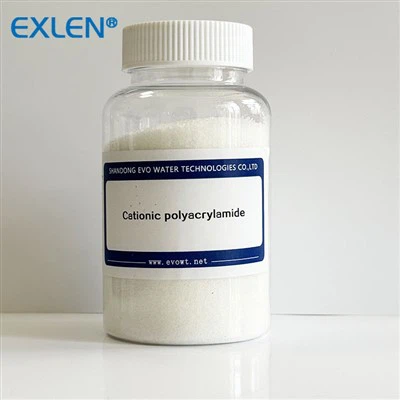
Hey there! As a supplier of flocculants for RO membrane systems, I've been getting a lot of questions lately about how these flocculants impact microbial growth in RO membranes. So, I thought I'd take some time to break it down and share what I've learned.
First off, let's talk about what flocculants are and what they do in an RO membrane system. Flocculants are chemicals that help to clump together small particles in water, making them easier to remove. In an RO membrane system, they're used to prevent these particles from fouling the membrane, which can reduce its efficiency and lifespan.
Now, when it comes to microbial growth in RO membranes, it's a bit of a double - edged sword. Microbes can cause all sorts of problems in these systems. They can form biofilms on the membrane surface, which act like a barrier, reducing the flow of water through the membrane and increasing the energy required to operate the system. Biofilms can also harbor harmful bacteria, which can contaminate the treated water.
So, how do flocculants fit into this picture? Well, one of the ways flocculants can affect microbial growth is by changing the physical environment around the microbes. When flocculants clump together particles in the water, they can also trap some of the microbes. This can limit their access to nutrients and oxygen, which are essential for their growth.
For example, if there are suspended organic particles in the water that the microbes feed on, the flocculant will bind these particles together. As a result, the microbes may not be able to reach these food sources as easily, slowing down their growth rate.
Another aspect is that some flocculants have inherent antimicrobial properties. Certain chemical flocculants can disrupt the cell membranes of microbes or interfere with their metabolic processes. This can directly kill or inhibit the growth of the microbes in the RO membrane system.
However, it's not all positive. There are also some potential negative effects of flocculants on microbial growth in RO membrane systems. In some cases, the use of flocculants can create a more favorable environment for certain types of microbes.
Some flocculants may provide a surface for microbes to attach to. Once attached, these microbes can form micro - colonies, which can eventually grow into larger biofilms. Additionally, if the flocculant is not properly dosed, it can leave behind residual chemicals in the water. These residuals can act as a nutrient source for some opportunistic microbes, promoting their growth.
Let's take a look at some real - world scenarios. In a large - scale water treatment plant using an RO membrane system, the proper use of flocculants can significantly reduce the microbial load on the membranes. This means less frequent membrane cleaning and longer membrane life. But if the flocculant is over - dosed, it can lead to an increase in biofilm formation, which can be a real headache for the plant operators.


Now, as a supplier, I know that choosing the right flocculant is crucial. That's why we offer a range of high - quality flocculants designed specifically for RO membrane systems. And we're not just about flocculants. We also have other great products like the Phosphorus - free Environmental Protection Membrane Scale Inhibitor. This scale inhibitor is not only effective at preventing scale formation on the RO membranes but is also environmentally friendly.
If you're dealing with a drinking water RO membrane system, our Drinking Water Scale Inhibitors are a great choice. They're formulated to meet the strict safety standards for drinking water treatment.
And when it comes to cleaning the RO membranes, our Acid Detergent for RO Membrane can effectively remove stubborn deposits and biofilms, restoring the membrane's performance.
In conclusion, flocculants can have both positive and negative effects on microbial growth in RO membrane systems. The key is to understand the specific characteristics of your water source, the type of RO membrane you're using, and the properties of the flocculant. With the right knowledge and the right products, you can optimize the performance of your RO membrane system and keep microbial growth in check.
If you're interested in learning more about our flocculants or any of our other RO membrane chemicals, don't hesitate to reach out. We're here to help you find the best solutions for your water treatment needs. Whether you're a small - scale water treatment facility or a large industrial plant, we've got the products and expertise to support you. Let's start a conversation and see how we can work together to improve your RO membrane system's performance.
References
- "Principles of Reverse Osmosis Membrane Technology" by Water Treatment Research Group
- "Microbial Fouling in RO Membrane Systems" - Journal of Water Science and Technology
- "The Role of Chemicals in RO Membrane Operation" - Industrial Water Treatment Magazine