Hey there! As a supplier of wastewater treatment chemicals, I often get asked about the disposal methods for used wastewater treatment chemicals. It's a crucial topic, especially considering the environmental impact and regulatory requirements. In this blog, I'll share some common disposal methods and some tips to ensure you're doing it right.
First off, let's understand why proper disposal is so important. Used wastewater treatment chemicals can contain various contaminants, heavy metals, and other harmful substances. If not disposed of correctly, they can pollute water sources, soil, and air, posing a significant threat to the environment and human health. Plus, there are strict regulations in place to govern the disposal of these chemicals, and non - compliance can lead to hefty fines.
Recycling and Reuse
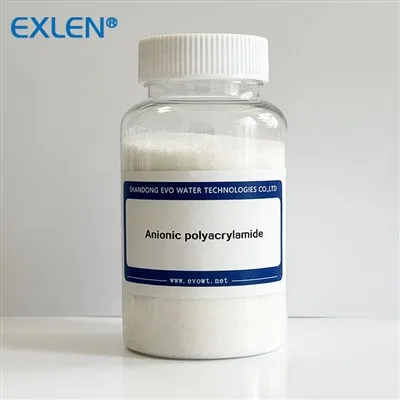
One of the best ways to deal with used wastewater treatment chemicals is through recycling and reuse. Some chemicals, like certain types of polymers, can be reprocessed and used again. For example, Anionic Polyacrylamide APAM and Cationic Polyacrylamide CPAM are often used in flocculation and sedimentation processes. In some cases, these polymers can be recovered from the sludge and reused after proper treatment.
Recycling not only reduces the amount of waste but also cuts down on the cost of purchasing new chemicals. However, it's important to note that not all chemicals can be recycled. The recyclability depends on the chemical's properties, the level of contamination, and the available recycling technology.
Incineration
Incineration is another option for disposing of used wastewater treatment chemicals. This method involves burning the chemicals at high temperatures, which can break down the harmful substances and reduce the volume of waste. Incineration can be an effective way to get rid of chemicals that are difficult to recycle or degrade.
But incineration also has its drawbacks. It can release pollutants into the air, such as dioxins, furans, and heavy metals, if not properly controlled. That's why it's essential to use modern incineration facilities equipped with advanced pollution control devices. These devices can capture and treat the pollutants before they are released into the atmosphere.
Landfill Disposal
Landfill disposal is the most common method for getting rid of used wastewater treatment chemicals, especially for solid waste. However, it should be the last resort because landfills can pose long - term environmental risks. Chemicals can leach into the soil and groundwater, causing contamination.
Before sending the chemicals to a landfill, they need to be properly treated and stabilized to reduce the risk of leaching. For example, some chemicals can be mixed with cement or other binding agents to form a solid mass. This solid mass is less likely to release harmful substances into the environment.
It's also important to choose a landfill that is designed and operated to handle hazardous waste. These landfills have liners and leachate collection systems to prevent the escape of contaminants.
Biological Treatment
Biological treatment is a more environmentally friendly option for disposing of some used wastewater treatment chemicals. This method uses microorganisms to break down the chemicals into less harmful substances. For example, some bacteria can degrade organic chemicals into carbon dioxide and water.
Biological treatment can be carried out in a variety of settings, such as wastewater treatment plants or specialized bioreactors. However, it's not suitable for all chemicals. Some chemicals, like heavy metals and certain synthetic organic compounds, are resistant to biological degradation.
Chemical Neutralization
Chemical neutralization is a process used to adjust the pH of the used chemicals and make them less hazardous. For example, acidic chemicals can be neutralized with a base, and alkaline chemicals can be neutralized with an acid. This process can reduce the corrosiveness of the chemicals and make them safer to handle and dispose of.
After neutralization, the chemicals can often be disposed of through other methods, such as landfill or recycling. However, it's important to ensure that the neutralization reaction is complete and that the resulting products are not more harmful than the original chemicals.
Regulatory Compliance
No matter which disposal method you choose, it's crucial to comply with all relevant regulations. Different countries and regions have different rules regarding the disposal of wastewater treatment chemicals. These regulations cover everything from the type of chemicals that can be disposed of, the proper disposal methods, to the reporting requirements.
Before disposing of any chemicals, you should check with your local environmental protection agency or regulatory authority. They can provide you with the necessary information and guidance to ensure that you're following the law.
Tips for Safe Disposal
- Proper Storage: Store the used chemicals in appropriate containers to prevent leaks and spills. Make sure the containers are labeled correctly with the name of the chemical, its hazard level, and the date of storage.
- Segregation: Separate different types of chemicals to prevent dangerous reactions. For example, acids and bases should be stored separately.
- Training: Provide proper training to your staff on the safe handling and disposal of chemicals. They should know how to use personal protective equipment and follow the correct procedures.
- Documentation: Keep detailed records of the chemicals you use, how much you use, and how you dispose of them. This documentation can be useful for regulatory compliance and auditing purposes.
Conclusion
Proper disposal of used wastewater treatment chemicals is essential for protecting the environment and human health. There are several disposal methods available, including recycling, incineration, landfill disposal, biological treatment, and chemical neutralization. Each method has its own advantages and disadvantages, and the choice depends on the type of chemical, its level of contamination, and the available resources.
As a wastewater treatment chemicals supplier, I'm committed to helping my customers find the best solutions for their chemical disposal needs. If you're looking for high - quality wastewater treatment chemicals or need advice on chemical disposal, feel free to reach out. We can work together to ensure that your wastewater treatment processes are not only effective but also environmentally friendly.


Let's make the world a cleaner and safer place by handling our used chemicals responsibly. If you have any questions or need further information, don't hesitate to contact me for a chat about your specific requirements. Whether you're interested in Anionic Polyacrylamide APAM, Phosphorus Removal Agent, or Cationic Polyacrylamide CPAM, we can discuss the best options for your wastewater treatment and chemical disposal needs.
References
- "Wastewater Treatment Chemicals: Principles and Applications" by Perry McCarty
- "Environmental Chemistry of Wastewater Treatment" by James Pankow
- Local environmental protection agency guidelines and regulations.