Yo, folks! As a supplier of chemicals for textiles, I often get asked if there are chemicals out there that can make textiles more flame - retardant in high - temperature situations. Well, the short answer is yes, and in this blog, I'm gonna break it all down for you.
First off, let's understand why flame - retardant textiles are so important. In many industries, like firefighting, mining, and even in some home applications, textiles that can resist flames in high - temperature conditions can save lives. For example, firefighters need gear that won't catch fire easily when they're in the middle of a blazing inferno. The same goes for workers in industrial settings where high temperatures are the norm.
Now, there are several types of chemicals that can be used to make textiles flame - retardant. One of the most common types is halogen - based flame retardants. These chemicals contain elements like bromine or chlorine. They work by releasing halogen radicals when exposed to heat. These radicals react with the free radicals produced during the combustion process, effectively stopping the chain reaction that causes the fire to spread. However, halogen - based flame retardants have come under some scrutiny in recent years. There are concerns about their environmental impact and potential health risks, especially when they break down over time.
Another option is phosphorus - based flame retardants. These are becoming more popular because they're generally considered to be more environmentally friendly than halogen - based ones. Phosphorus - based chemicals work by forming a char layer on the surface of the textile when heated. This char layer acts as a barrier, preventing oxygen from reaching the textile and fueling the fire. It also reduces the release of flammable gases.
There are also nitrogen - based flame retardants. These work in a similar way to phosphorus - based ones. When heated, they decompose and release nitrogen - containing gases. These gases dilute the oxygen around the textile and can also form a protective layer on the surface.


As a chemicals for textile supplier, I've seen firsthand how these flame - retardant chemicals can be a game - changer. But it's not just about choosing the right chemical. The application process is also crucial. The chemical needs to be evenly distributed throughout the textile to ensure maximum effectiveness. This can be done through various methods, such as padding, spraying, or exhaust dyeing.
Padding is a common method where the textile is passed through a bath containing the flame - retardant chemical. The excess liquid is then squeezed out, and the textile is dried. Spraying involves applying the chemical directly onto the surface of the textile using a spray gun. Exhaust dyeing is similar to the process used for dyeing textiles. The textile is immersed in a solution containing the flame - retardant chemical, and the chemical is absorbed into the fibers over time.
Now, I know what you're thinking. "Are these flame - retardant chemicals safe?" Well, when used correctly, they are. Most flame - retardant chemicals on the market today have been thoroughly tested to meet strict safety standards. However, it's important to follow the manufacturer's instructions when handling and applying these chemicals.
In addition to flame - retardant chemicals, we also offer other useful products for the textile industry. For example, we have a Nonfoaming Soaping Agent. This is great for removing impurities and excess dye from textiles after the dyeing process. It doesn't produce a lot of foam, which makes it easier to work with and more environmentally friendly.
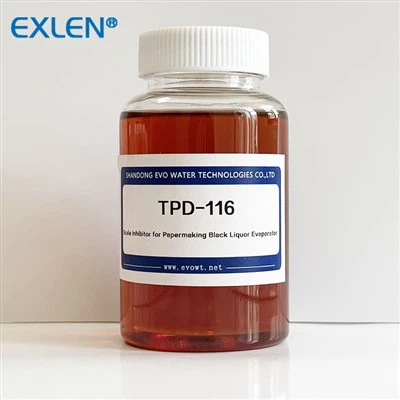
We also have a Scale Inhibitor for Papermaking Black Liquor Evaporator. This product is designed to prevent the formation of scale in evaporators used in the papermaking process. Scale can reduce the efficiency of the evaporator and cause damage over time, so using a scale inhibitor is a smart move.
And then there's our Nonsilicon Oxygen Bleaching Stabilizer. This is used in the bleaching process of textiles. It helps to control the bleaching reaction, ensuring that the textile is bleached evenly without causing damage.
If you're in the textile industry and are looking for high - quality chemicals, whether it's for flame - retardancy or other applications, I'd love to hear from you. I can provide you with detailed information about our products, including their performance, safety, and application methods. We're committed to providing the best solutions for your textile needs.
So, if you're interested in learning more or want to start a purchase negotiation, don't hesitate to reach out. I'm here to help you make the right choices for your business.
References
- Horrocks, A. R. (2011). Flame retardant finishing of textiles. Woodhead Publishing.
- Weil, E. D., & Levchik, S. V. (Eds.). (2008). Flame retardancy of polymeric materials. CRC Press.