


Hey there! As a supplier of boiler water treatment chemicals, I've been getting a lot of questions lately about how these chemicals interact with boiler insulation materials. So, I thought I'd take a few minutes to break it down for you.
First off, let's talk about what boiler water treatment chemicals are and why they're important. Boiler water treatment chemicals are substances that are added to the water in a boiler to prevent corrosion, scale formation, and other issues that can reduce the efficiency and lifespan of the boiler. These chemicals can include things like corrosion inhibitors, scale inhibitors, and deoxidizers.
Now, let's get into how these chemicals interact with boiler insulation materials. Boiler insulation materials are designed to reduce heat loss from the boiler, which helps to improve its efficiency. However, some boiler water treatment chemicals can react with these insulation materials, causing them to degrade or break down over time.
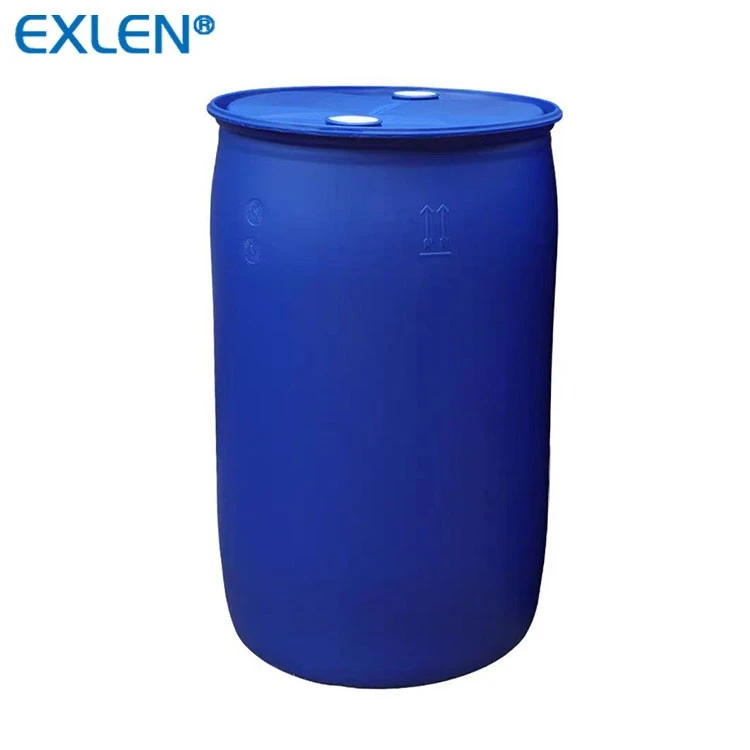

One of the main ways that boiler water treatment chemicals can interact with insulation materials is through chemical reactions. For example, some corrosion inhibitors contain chemicals that can react with the insulation material, causing it to become brittle or lose its insulating properties. Similarly, some scale inhibitors can react with the insulation material, causing it to form a hard, crusty layer that can reduce the effectiveness of the insulation.
Another way that boiler water treatment chemicals can interact with insulation materials is through physical processes. For example, some chemicals can cause the insulation material to absorb moisture, which can lead to mold growth and other issues. Additionally, some chemicals can cause the insulation material to expand or contract, which can lead to cracks or other damage.
So, what can you do to prevent these interactions from occurring? The first step is to choose the right boiler water treatment chemicals for your specific application. Different chemicals have different properties and react differently with insulation materials, so it's important to choose chemicals that are compatible with your insulation material.
Another important step is to follow the manufacturer's instructions for using the chemicals. This includes using the correct dosage, applying the chemicals at the right time, and following any other specific instructions. By following these instructions, you can help to ensure that the chemicals are used safely and effectively, and that they don't cause any damage to the insulation material.
It's also a good idea to monitor the condition of the insulation material regularly. This can include checking for signs of damage, such as cracks or discoloration, and measuring the insulation's effectiveness. If you notice any signs of damage or a decrease in the insulation's effectiveness, it's important to take action right away to prevent further damage.
Now, let's take a look at some of the specific boiler water treatment chemicals that we offer and how they interact with insulation materials.
High Temperature Corrosion and Scale Inhibitor for Boilers (acidic): This inhibitor is designed to prevent corrosion and scale formation in high-temperature boilers. It contains a blend of chemicals that are specifically formulated to be compatible with a wide range of insulation materials. However, it's still important to follow the manufacturer's instructions when using this inhibitor to ensure that it doesn't cause any damage to the insulation.
Descaling Agent for Boiler (Acidic Liquid): This descaling agent is used to remove scale from boilers. It's an acidic liquid that can be very effective at removing scale, but it can also be corrosive to some insulation materials. That's why it's important to use this descaling agent carefully and to follow the manufacturer's instructions.
High - Efficiency Deoxidizer: This deoxidizer is used to remove oxygen from the boiler water, which helps to prevent corrosion. It's a highly effective deoxidizer that is compatible with most insulation materials. However, as with any chemical, it's important to follow the manufacturer's instructions when using this deoxidizer to ensure that it doesn't cause any damage to the insulation.
In conclusion, understanding how boiler water treatment chemicals interact with boiler insulation materials is crucial for maintaining the efficiency and lifespan of your boiler. By choosing the right chemicals, following the manufacturer's instructions, and monitoring the condition of the insulation material regularly, you can help to prevent any potential issues and ensure that your boiler operates safely and effectively.
If you're interested in learning more about our boiler water treatment chemicals or have any questions about how they interact with insulation materials, please don't hesitate to contact us. We're here to help you find the right solutions for your specific needs.
References:
- "Boiler Water Treatment: Principles and Practice" by Arnold T. Taber
- "Insulation Materials: Properties and Applications" by John A. Turner


