What is the solubility of Ammonia Nitrogen Remover in water?
As a supplier of ammonia nitrogen removers, I often encounter questions from customers regarding the solubility of our products in water. Solubility is a crucial factor that determines the effectiveness and ease of use of an ammonia nitrogen remover. In this blog post, I will delve into the concept of solubility, explain how it relates to ammonia nitrogen removers, and provide insights into the solubility characteristics of our products.
Understanding Solubility
Solubility refers to the maximum amount of a substance that can dissolve in a given amount of solvent at a specific temperature and pressure. In the context of ammonia nitrogen removers, the solvent is water, which is the most common medium for wastewater treatment. When an ammonia nitrogen remover is added to water, it should dissolve completely or at least to a sufficient extent to ensure uniform distribution and effective reaction with ammonia nitrogen in the wastewater.
The solubility of a substance is influenced by several factors, including its chemical structure, temperature, pH, and the presence of other substances in the solution. For example, some substances may have higher solubility in acidic or alkaline conditions, while others may be more soluble at elevated temperatures. Understanding these factors is essential for optimizing the performance of ammonia nitrogen removers.
Solubility of Ammonia Nitrogen Removers
Ammonia nitrogen removers come in various forms, including powders, granules, and liquids. The solubility of these products can vary depending on their formulation and composition. Generally, liquid ammonia nitrogen removers tend to have higher solubility compared to powder or granular forms, as they are already in a dissolved state. However, powder and granular products can also have good solubility if they are properly formulated and designed to dissolve quickly in water.
Our ammonia nitrogen removers are formulated to have excellent solubility in water. We use high-quality raw materials and advanced manufacturing processes to ensure that our products dissolve rapidly and completely, even in cold water. This allows for easy and efficient dosing, as well as uniform distribution of the remover in the wastewater.
In addition to high solubility, our ammonia nitrogen removers are also designed to be stable in solution. This means that they do not precipitate or form insoluble complexes over time, which could reduce their effectiveness. Our products are tested rigorously to ensure that they maintain their solubility and stability under various conditions, including different temperatures, pH levels, and water qualities.
Factors Affecting Solubility
As mentioned earlier, several factors can affect the solubility of ammonia nitrogen removers. One of the most important factors is temperature. Generally, the solubility of most substances increases with increasing temperature. This means that our ammonia nitrogen removers will dissolve more readily in warm water compared to cold water. However, it is important to note that extreme temperatures can also have a negative impact on the performance of the remover. For example, very high temperatures can cause the remover to decompose or lose its effectiveness.
Another factor that can affect solubility is pH. The pH of the wastewater can influence the chemical reactions that occur between the ammonia nitrogen remover and the ammonia nitrogen in the water. Some ammonia nitrogen removers are designed to work best in acidic conditions, while others are more effective in alkaline conditions. Our products are formulated to have a wide pH range of applicability, which allows them to be used in a variety of wastewater treatment applications.


The presence of other substances in the wastewater can also affect the solubility of ammonia nitrogen removers. For example, certain salts, metals, or organic compounds can interfere with the dissolution of the remover or react with it to form insoluble complexes. Our ammonia nitrogen removers are designed to be compatible with a wide range of wastewater constituents, but it is still important to consider the specific characteristics of the wastewater when selecting a remover.
Importance of Solubility in Wastewater Treatment
The solubility of ammonia nitrogen removers is of utmost importance in wastewater treatment. A remover with poor solubility may not dissolve completely in the water, which can lead to uneven distribution and reduced effectiveness. This can result in incomplete removal of ammonia nitrogen from the wastewater, which can have negative environmental and regulatory consequences.
On the other hand, a remover with high solubility ensures that the active ingredients are evenly distributed throughout the wastewater, allowing for efficient and effective removal of ammonia nitrogen. This not only improves the quality of the treated water but also reduces the risk of non-compliance with environmental regulations.
In addition to improving treatment efficiency, high solubility also makes it easier to handle and dose ammonia nitrogen removers. Liquid products can be easily pumped and metered, while powder and granular products can be quickly dissolved in water using simple mixing equipment. This reduces the time and labor required for wastewater treatment, as well as the risk of human error.
Other Wastewater Treatment Chemicals
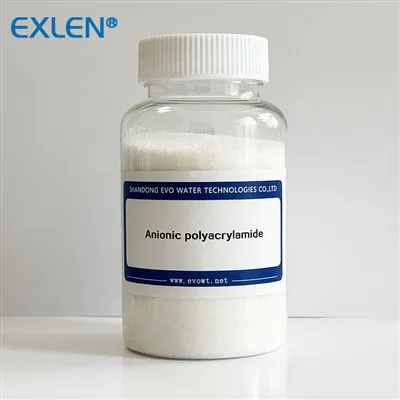
In addition to ammonia nitrogen removers, we also offer a range of other wastewater treatment chemicals, including Anionic Polyacrylamide APAM, Decolorising Flocculant, and Phosphorus Removal Agent. These chemicals are designed to work in conjunction with our ammonia nitrogen removers to provide comprehensive wastewater treatment solutions.
Anionic Polyacrylamide APAM is a high molecular weight polymer that is used as a flocculant in wastewater treatment. It helps to agglomerate suspended solids and colloidal particles, making them easier to separate from the water. Decolorising Flocculant is a specialized chemical that is used to remove color and turbidity from wastewater. It works by binding to the color-causing substances and precipitating them out of the water. Phosphorus Removal Agent is used to remove phosphorus from wastewater, which is an important nutrient that can cause eutrophication in water bodies.
Contact Us for Procurement
If you are interested in learning more about our ammonia nitrogen removers or other wastewater treatment chemicals, please do not hesitate to contact us. Our team of experts is available to provide you with detailed information about our products, as well as to assist you in selecting the most suitable treatment solution for your specific needs. We can also provide you with samples of our products for testing and evaluation.
We understand that every wastewater treatment application is unique, and we are committed to providing customized solutions that meet your specific requirements. Whether you are a small industrial facility or a large municipal wastewater treatment plant, we have the expertise and resources to help you achieve your treatment goals.
References
- "Wastewater Treatment: Principles and Design" by Metcalf & Eddy
- "Water Quality and Treatment: A Handbook of Community Water Supplies" by American Water Works Association
- "Environmental Engineering: Fundamentals, Sustainability, and Design" by Gilbert M. Masters and Wendell P. Ela