Hey there! As a supplier of Phosphorus Removal Agent, I've seen firsthand how important it is to understand the regulatory requirements for using these agents in different industries. In this blog post, I'll break down the key regulations you need to know and how they vary across sectors.
Why Phosphorus Removal Matters
Before we dive into the regulations, let's quickly touch on why phosphorus removal is such a big deal. Phosphorus is a common pollutant found in wastewater, and excessive levels can lead to a range of environmental problems, such as eutrophication. This occurs when an overabundance of nutrients, like phosphorus, causes excessive plant and algae growth in water bodies. As these organisms die and decompose, they consume oxygen, leading to oxygen depletion and potentially harming aquatic life.
Industries that generate wastewater with high phosphorus levels, such as agriculture, food processing, and manufacturing, need to take steps to remove this pollutant before discharging their wastewater into the environment. That's where phosphorus removal agents come in.
Regulatory Landscape Overview
Regulations regarding phosphorus removal vary widely depending on the country, state, or region. In general, most regulatory bodies aim to protect water quality by setting limits on the amount of phosphorus that can be discharged into water bodies. These limits are often based on the specific characteristics of the receiving water body, such as its size, flow rate, and sensitivity to pollution.
In the United States, for example, the Environmental Protection Agency (EPA) sets national standards for water quality through the Clean Water Act. However, individual states may also have their own more stringent regulations. In Europe, the European Union's Water Framework Directive sets out a framework for water management and aims to achieve good ecological and chemical status for all water bodies by 2027.
Regulations in Different Industries
Agriculture
Agriculture is one of the largest sources of phosphorus pollution, primarily through the use of fertilizers and manure. In many areas, farmers are required to implement best management practices (BMPs) to reduce phosphorus runoff. These may include measures such as using precision agriculture techniques to apply fertilizers more efficiently, planting cover crops to prevent soil erosion, and managing manure storage and application.
Some regions also have specific regulations regarding the use of phosphorus removal agents in agricultural settings. For example, in areas with high phosphorus levels in surface waters, farmers may be required to use phosphorus removal agents in their manure management systems to reduce the amount of phosphorus that enters water bodies.


Food Processing
The food processing industry generates large volumes of wastewater containing high levels of organic matter and phosphorus. Regulations for this industry typically focus on reducing the amount of pollutants in the wastewater before it is discharged.
Food processing facilities may be required to install wastewater treatment systems that include phosphorus removal agents. These agents can help to precipitate and remove phosphorus from the wastewater, reducing its environmental impact. In addition, some regulatory bodies may require food processing facilities to monitor their wastewater quality regularly and report their results to ensure compliance with the regulations.
Manufacturing
The manufacturing industry is another major source of phosphorus pollution, particularly in industries such as metal plating, electronics manufacturing, and chemical production. Regulations for this industry often require companies to implement pollution prevention measures to reduce the generation of phosphorus-containing wastewater.
Manufacturing facilities may be required to use phosphorus removal agents as part of their wastewater treatment processes. These agents can be used to remove phosphorus from the wastewater before it is discharged or recycled within the facility. In addition, some regulatory bodies may require manufacturing companies to conduct environmental impact assessments and obtain permits before they can operate.
Municipal Wastewater Treatment
Municipal wastewater treatment plants are responsible for treating the wastewater generated by households and businesses in a community. These plants typically use a combination of physical, chemical, and biological processes to remove pollutants from the wastewater, including phosphorus.
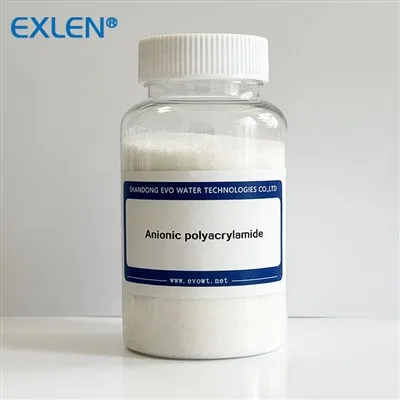
Regulations for municipal wastewater treatment plants often set limits on the amount of phosphorus that can be discharged into the receiving water body. To meet these limits, many treatment plants use phosphorus removal agents, such as Anionic Polyacrylamide APAM and Cationic Polyacrylamide CPAM, to enhance the removal of phosphorus from the wastewater.
Choosing the Right Phosphorus Removal Agent
When it comes to choosing a phosphorus removal agent, it's important to consider the specific regulatory requirements of your industry and location. Different agents have different properties and effectiveness, so it's essential to select an agent that is suitable for your wastewater characteristics and treatment process.
In addition to regulatory compliance, other factors to consider when choosing a phosphorus removal agent include its cost, availability, and environmental impact. Some agents may be more expensive or difficult to obtain than others, while some may have a greater environmental impact due to their chemical composition or production process.
How We Can Help
As a supplier of Phosphorus Removal Agent, we understand the challenges that industries face in meeting the regulatory requirements for phosphorus removal. That's why we offer a range of high-quality phosphorus removal agents that are designed to be effective, cost-efficient, and environmentally friendly.
Our team of experts can work with you to understand your specific needs and recommend the best phosphorus removal agent for your application. We can also provide technical support and training to ensure that you are using the agent correctly and achieving the desired results.
If you're interested in learning more about our phosphorus removal agents or discussing your regulatory compliance needs, please don't hesitate to get in touch. We're here to help you find the right solution for your business.
References
- Environmental Protection Agency (EPA). Clean Water Act.
- European Union. Water Framework Directive.
- Various state and local regulatory agencies.