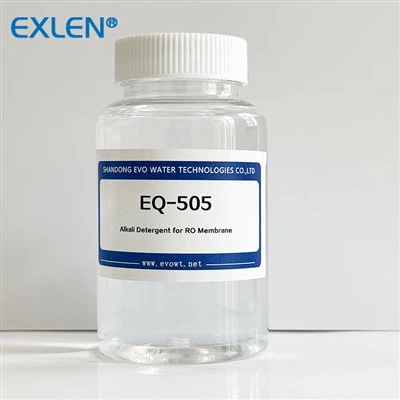
Hey there! As a supplier of Alkali Detergent for RO Membrane, I've been getting a lot of questions lately about how the cleaning intensity using our alkali detergent impacts the mechanical properties of RO membranes. So, I thought I'd dive into this topic and share some insights.
First off, let's talk about RO membranes. Reverse osmosis (RO) membranes are super important in water treatment. They help remove all sorts of contaminants from water, making it clean and safe for various uses. But over time, these membranes can get fouled up with things like dirt, bacteria, and other particles. That's where our Alkali Detergent for RO Membrane comes in. Alkali Detergent for RO Membrane is designed to clean these membranes effectively and keep them in good working condition.
Now, the cleaning intensity is a big deal. When we talk about cleaning intensity, we're looking at things like the concentration of the detergent, the duration of the cleaning process, and the temperature at which the cleaning takes place. All these factors can have an impact on the mechanical properties of the RO membrane.
Let's start with the concentration of the alkali detergent. If the concentration is too low, it might not be able to remove all the foulants from the membrane. The membrane will still be dirty, and its performance will be affected. On the other hand, if the concentration is too high, it can be too harsh on the membrane. High - concentration alkali can cause chemical reactions that might damage the polymer structure of the membrane. This damage can lead to changes in the membrane's mechanical properties, like a decrease in its tensile strength. A membrane with reduced tensile strength is more likely to break or develop cracks, which can seriously affect its water - filtering ability.
The duration of the cleaning process also matters. A short cleaning time might not give the detergent enough time to penetrate and remove all the stubborn foulants. But if you clean the membrane for too long, especially with a high - concentration detergent, it can over - expose the membrane to the chemical. This over - exposure can cause the membrane to swell or shrink, which can change its pore size and overall mechanical stability. For example, if the membrane swells too much, the pores might become larger than they should be, allowing more contaminants to pass through during the filtration process.
Temperature is another factor in cleaning intensity. Higher temperatures generally speed up the chemical reactions between the detergent and the foulants, making the cleaning process more efficient. However, if the temperature is too high, it can cause thermal stress on the membrane. This thermal stress can lead to changes in the membrane's mechanical properties, such as a loss of flexibility. A less flexible membrane is more prone to damage during normal operation, like when there are pressure changes in the water treatment system.
When it comes to maintaining the right cleaning intensity, it's all about finding the sweet spot. We've done a lot of research and testing to figure out the optimal conditions for using our Alkali Detergent for RO Membrane. We recommend using a moderate concentration of the detergent, typically within a range that's strong enough to clean the membrane but not so strong that it causes damage. The cleaning time should be long enough to get the job done but not excessive. And the temperature should be kept within a reasonable range, usually not too far from room temperature, to avoid thermal stress.
In addition to our alkali detergent, we also offer other products that can work in tandem to keep your RO membranes in top shape. For example, our Phosphorus - free Environmental Protection Membrane Scale Inhibitor helps prevent scale formation on the membrane. Scale can also cause fouling and affect the membrane's performance. By using a scale inhibitor along with our alkali detergent, you can extend the lifespan of your RO membranes and improve their overall efficiency.
Another great product is our Neutral Reverse Osmosis Scale Inhibitor. This inhibitor is designed to work under different water conditions and can be used in combination with the cleaning process. It helps maintain the balance of the water chemistry around the membrane, reducing the risk of fouling and damage.
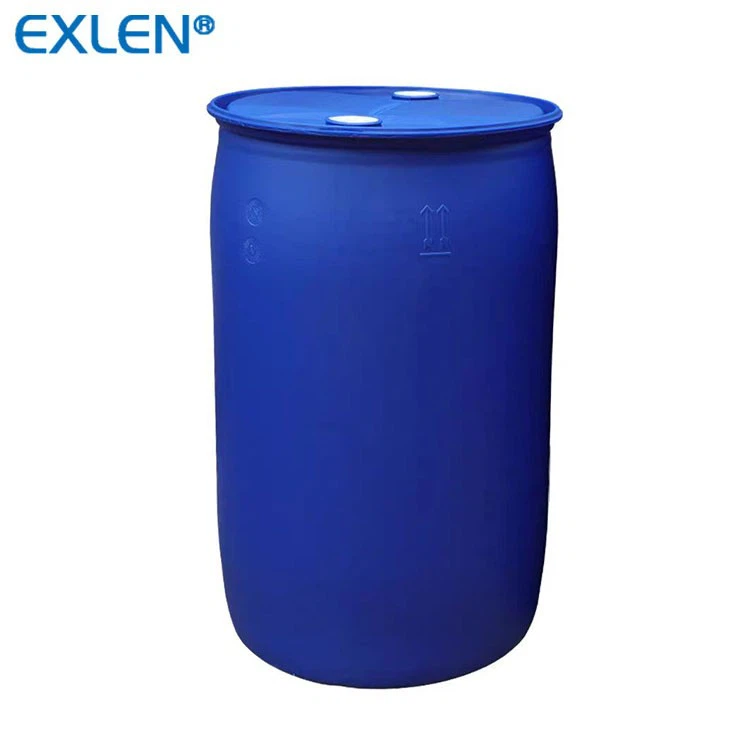
So, if you're in the business of water treatment and using RO membranes, it's crucial to pay attention to the cleaning intensity when using our alkali detergent. By getting it right, you can ensure that your RO membranes have good mechanical properties, which means better performance and a longer lifespan.
If you're interested in learning more about our products or have any questions about cleaning RO membranes, don't hesitate to reach out. We're here to help you find the best solutions for your water treatment needs. Whether you're looking for the right cleaning intensity for your membranes or want to explore our other products like the scale inhibitors, we've got the expertise and the high - quality products to support you.
References
- Some research papers on RO membrane cleaning and its impact on mechanical properties.
- Internal testing reports from our company on the performance of Alkali Detergent for RO Membrane.