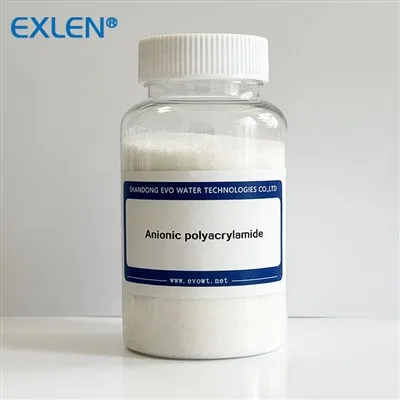
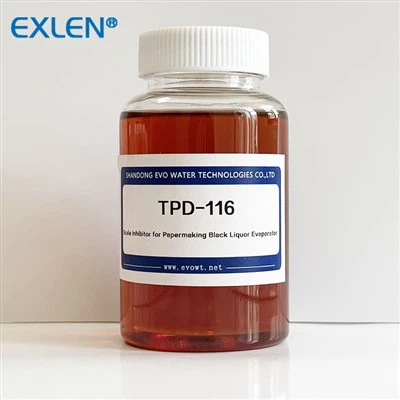
Hey there! As a supplier of polymer series of chemicals, I've seen firsthand how important safety is when handling these substances. In this blog post, I'll share some key safety considerations that you should keep in mind.
Understanding the Chemicals
First things first, it's crucial to have a good understanding of the specific polymer chemicals you're dealing with. Each polymer has its own unique properties, and these can have a big impact on safety.
For example, let's take Sodium Of Polyaspartic Acid PASP. This is a biodegradable polymer that's often used in water treatment and as a scale inhibitor. While it's generally considered to be relatively safe, it's still important to handle it with care. Some polymers can be irritating to the skin, eyes, or respiratory system if they come into contact with them.
Another common polymer is Acrylic Acid - 2 - Acrylamido - 2 - Methylpropane Sulfonic Acid Copolymer. This copolymer is used in a variety of applications, including in the production of superabsorbent polymers and as a dispersant. It can be corrosive, so proper protective equipment is a must when handling it.
Polyepoxysuccinic Acid PESA is also a well - known polymer in the industry. It's an environmentally friendly scale and corrosion inhibitor. But again, you need to know its properties to handle it safely.
Personal Protective Equipment (PPE)
Wearing the right personal protective equipment is non - negotiable when handling polymer series of chemicals.
Gloves: You should always wear chemical - resistant gloves. The type of glove material depends on the specific polymer. For example, if you're handling a polymer that's resistant to acids, you'll need gloves made from materials like neoprene or nitrile. Gloves protect your hands from direct contact with the chemicals, which can prevent skin irritation, burns, or absorption of the chemicals into your body.
Eye Protection: Safety goggles or a face shield are essential. Chemicals can splash into your eyes during handling, and this can cause serious damage. Even a small amount of a polymer getting into your eyes can lead to irritation, redness, and in severe cases, vision problems.
Respiratory Protection: In some cases, you may need to wear a respirator. If the polymer releases fumes or dust particles, inhaling them can be harmful to your lungs. A respirator filters out these harmful substances, ensuring that you're breathing clean air.
Clothing: Wear long - sleeved shirts and long pants to cover as much skin as possible. Also, consider wearing an apron made from a chemical - resistant material. This will protect your body from spills and splashes.
Storage and Handling
Proper storage and handling of polymer series of chemicals are vital for safety.


Storage Conditions: Polymers should be stored in a cool, dry place. Some polymers are sensitive to heat and humidity, which can cause them to degrade or react with other substances. Make sure the storage area is well - ventilated to prevent the build - up of fumes.
Separation: Keep different polymers separated from each other. Some polymers can react if they come into contact, which can lead to dangerous situations like fires or explosions. Read the safety data sheets (SDS) for each polymer to find out which ones are incompatible.
Handling Procedures: When handling polymers, use proper tools and equipment. For example, use funnels and pumps that are made from materials that are compatible with the polymers. Avoid using tools that can scratch or damage containers, as this can lead to leaks.
When transferring polymers from one container to another, do it slowly and carefully to prevent spills. If a spill does occur, have a spill - response plan in place. This should include the use of absorbent materials to clean up the spill and proper disposal of the contaminated materials.
Training and Education
All employees who handle polymer series of chemicals should receive proper training.
Safety Training: Training should cover the properties of the polymers, the correct use of PPE, storage and handling procedures, and what to do in case of an emergency. This training should be ongoing, as new polymers may be introduced, and safety regulations may change.
Emergency Response Training: Employees should know how to respond in case of a fire, explosion, spill, or exposure to the chemicals. This includes knowing the location of emergency exits, fire extinguishers, and first - aid kits. They should also know how to perform basic first - aid procedures, such as treating chemical burns or eye injuries.
Regulatory Compliance
It's important to comply with all relevant regulations when handling polymer series of chemicals.
Local and National Regulations: Different countries and regions have their own regulations regarding the handling, storage, and disposal of chemicals. Make sure you're aware of these regulations and follow them strictly. This includes proper labeling of containers, reporting of chemical spills, and disposal of waste materials.
International Standards: There are also international standards for chemical safety, such as those set by the International Organization for Standardization (ISO). Adhering to these standards can help ensure that your operations are safe and sustainable.
Emergency Preparedness
Even with all the safety measures in place, emergencies can still happen. That's why it's important to be prepared.
Emergency Plans: Have a detailed emergency plan in place. This plan should cover all possible scenarios, such as fires, spills, and chemical exposures. It should include evacuation routes, contact information for emergency responders, and procedures for notifying employees.
First - Aid Kits: Make sure you have well - stocked first - aid kits in the workplace. These kits should be easily accessible and contain supplies for treating chemical burns, eye injuries, and other common chemical - related injuries.
Regular Drills: Conduct regular emergency drills. This helps employees become familiar with the emergency procedures and ensures that they can respond quickly and effectively in case of a real emergency.
Conclusion
Handling polymer series of chemicals safely is a multi - faceted task. It requires a good understanding of the chemicals, the use of proper PPE, correct storage and handling procedures, training and education, regulatory compliance, and emergency preparedness.
As a supplier, I'm committed to providing you with high - quality polymer series of chemicals and also sharing knowledge about their safe handling. If you're interested in purchasing our polymer products or have any questions about safety, feel free to reach out to start a procurement discussion. We're here to help you make the best decisions for your business while keeping safety at the forefront.
References
- Safety Data Sheets (SDS) for various polymer chemicals.
- Occupational Safety and Health Administration (OSHA) guidelines on chemical handling.
- International Organization for Standardization (ISO) standards related to chemical safety.