Hey there! As a supplier of Cationic Polyacrylamide (CPAM), I'm super stoked to share with you the quality control measures we take during CPAM production. CPAM is a game - changer in various industries, especially in wastewater treatment, and ensuring its top - notch quality is our number one priority.
Raw Material Inspection
First things first, the quality of CPAM heavily depends on the raw materials. We source our acrylamide monomers from trusted suppliers. Before using them, we conduct a series of tests. For instance, we check the purity of the acrylamide. Any impurities can affect the polymerization process and the final properties of CPAM.
We use high - performance liquid chromatography (HPLC) to analyze the composition of the monomers. This helps us detect any trace amounts of unwanted substances. If the purity doesn't meet our strict standards, we simply send the batch back to the supplier.
Another crucial raw material is the initiator. The initiator starts the polymerization reaction, so its quality is non - negotiable. We test its activity and stability. A faulty initiator can lead to incomplete polymerization or inconsistent molecular weight of CPAM.
Polymerization Process Control
The polymerization process is like the heart of CPAM production. We closely monitor several key parameters to ensure a successful reaction.
Temperature Control
Temperature plays a vital role in polymerization. Too high a temperature can cause the reaction to proceed too quickly, resulting in a broad molecular weight distribution. On the other hand, a temperature that's too low can slow down the reaction or even stop it altogether.
We use advanced temperature sensors and control systems to maintain a precise temperature throughout the process. This ensures that the polymerization reaction occurs at an optimal rate, producing CPAM with a narrow and consistent molecular weight distribution.
Reaction Time
The reaction time is also carefully controlled. We determine the ideal reaction time based on the type of CPAM we're producing and the specific requirements of our customers. By accurately timing the reaction, we can achieve the desired degree of polymerization and the right balance of cationic charge density.
pH Regulation
The pH of the reaction mixture affects the polymerization process and the properties of the final product. We adjust the pH to a specific range using buffers and other additives. This helps to stabilize the reaction and ensure that the CPAM has the appropriate charge characteristics.
Intermediate Product Testing
During the production process, we take samples at different stages to test the intermediate products. This allows us to catch any potential issues early on and make adjustments if necessary.
We test the viscosity of the intermediate polymer solution. Viscosity is an important indicator of the molecular weight of the polymer. If the viscosity is too low, it may mean that the polymerization reaction is not proceeding as expected. If it's too high, it could indicate over - polymerization.
We also analyze the charge density of the intermediate product. Charge density affects the performance of CPAM in wastewater treatment. For example, in the treatment of sewage containing a high concentration of negatively charged particles, a CPAM with a higher charge density is usually more effective.
Final Product Quality Assurance
Once the CPAM is produced, it undergoes a comprehensive set of final quality tests.
Molecular Weight Determination
We use gel permeation chromatography (GPC) to accurately measure the molecular weight of the final CPAM product. The molecular weight affects the flocculation performance of CPAM. A higher molecular weight generally results in better flocculation, but it also needs to be balanced with other factors such as solubility and charge density.
Cationic Charge Density Measurement
The cationic charge density is another critical parameter. We use titration methods to determine the charge density of CPAM. Different applications require different charge densities. For example, in the treatment of industrial wastewater with a high content of anionic contaminants, a CPAM with a high charge density is often preferred. You can learn more about other wastewater treatment chemicals like Phosphorus Removal Agent and Ammonia Nitrogen Remover on our website.
Solubility Test
CPAM needs to be highly soluble in water to be effective in wastewater treatment. We conduct solubility tests by adding a known amount of CPAM to water and observing how quickly it dissolves. Any insoluble particles or clumps can indicate a problem with the production process or the quality of the raw materials.
Packaging and Storage Quality Control
Even after the CPAM has passed all the quality tests, we're not done yet. The way we package and store the product also affects its quality.
We use high - quality packaging materials that are resistant to moisture, light, and air. This helps to prevent the degradation of CPAM during storage and transportation.
We store CPAM in a cool, dry place away from direct sunlight. Extreme temperatures and humidity can cause the product to degrade, reducing its effectiveness.
Quality Management System
We have a comprehensive quality management system in place. This system includes regular audits, employee training, and continuous improvement initiatives.
Our employees are trained to follow strict quality control procedures at every stage of production. We also conduct internal audits to ensure that our processes are in line with industry standards and best practices.
Why Quality Control Matters
High - quality CPAM offers several benefits. In wastewater treatment, it can improve the efficiency of flocculation, leading to better separation of solids and liquids. This reduces the volume of sludge and improves the quality of the treated water.


In the paper industry, high - quality CPAM can enhance paper strength and improve the retention of fillers and fibers. It also helps to reduce the consumption of other chemicals, making the production process more cost - effective.
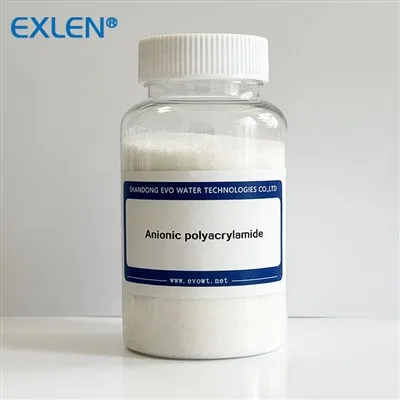
If you're in the market for top - notch CPAM, you might also be interested in Anionic Polyacrylamide APAM, which has its own unique applications.
Conclusion
In conclusion, quality control is an integral part of CPAM production. From raw material inspection to final product testing and storage, we leave no stone unturned to ensure that our CPAM meets the highest standards.
If you're looking for a reliable CPAM supplier, we're here for you. Whether you have questions about our products or want to discuss your specific requirements, feel free to reach out to us. We're always ready to help you find the best CPAM solution for your needs.
References
- ASTM International. Standard test methods for polyacrylamide in water - treatment applications.
- Water Environment Federation. Manual of practice on wastewater treatment chemicals.
- Chemical Manufacturers Association. Guidelines for quality control in chemical production.