Wastewater treatment is a critical process that ensures the safe disposal or reuse of water contaminated with various pollutants. In this process, wastewater treatment chemicals play a significant role in removing impurities and contaminants. However, these chemicals can also have profound effects on the microbial community, which is essential for the biological treatment of wastewater. As a wastewater treatment chemicals supplier, I have witnessed firsthand the impact of these chemicals on the microbial ecosystem in treatment plants. In this blog, I will explore the effects of wastewater treatment chemicals on the microbial community in the treatment process.
Understanding the Microbial Community in Wastewater Treatment
Microorganisms are the workhorses of biological wastewater treatment. They break down organic matter, remove nutrients such as nitrogen and phosphorus, and help in the overall purification of wastewater. The microbial community in a wastewater treatment plant typically consists of bacteria, archaea, fungi, and protozoa. These microorganisms work together in a complex ecosystem to achieve the desired treatment goals.
Bacteria are the most abundant and diverse group of microorganisms in wastewater treatment. They can be classified into different functional groups based on their metabolic capabilities. For example, aerobic bacteria require oxygen to break down organic matter, while anaerobic bacteria can function in the absence of oxygen. Nitrifying bacteria convert ammonia to nitrate, and denitrifying bacteria convert nitrate to nitrogen gas, which is released into the atmosphere. Phosphorus-accumulating organisms (PAOs) play a crucial role in phosphorus removal by taking up and storing phosphorus within their cells.
Effects of Wastewater Treatment Chemicals on the Microbial Community
1. Disinfectants
Disinfectants such as chlorine, ozone, and hydrogen peroxide are commonly used in wastewater treatment to kill pathogens and reduce the risk of waterborne diseases. While these chemicals are effective in disinfecting wastewater, they can also have a negative impact on the microbial community. Chlorine, for example, is a strong oxidizing agent that can react with organic matter and microorganisms in the wastewater. It can damage the cell membranes of bacteria, disrupt their metabolic processes, and ultimately lead to cell death. High concentrations of chlorine can also inhibit the growth and activity of beneficial microorganisms, such as nitrifying bacteria, which are essential for nitrogen removal.
2. Coagulants and Flocculants
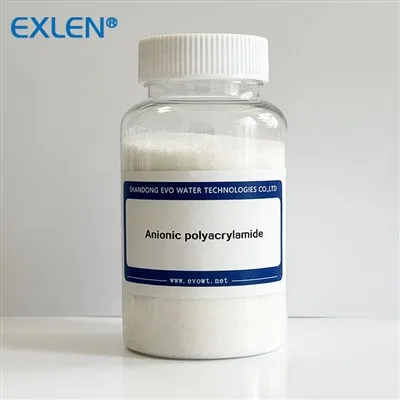
Coagulants and flocculants are used to remove suspended solids, colloids, and some dissolved organic matter from wastewater. Coagulants, such as aluminum sulfate and ferric chloride, neutralize the negative charges on the particles, causing them to aggregate and form larger flocs. Flocculants, such as Anionic Polyacrylamide APAM, further enhance the flocculation process by bridging the small flocs together to form larger, more settleable flocs. While these chemicals are generally considered to have a low toxicity to microorganisms, they can still have some indirect effects on the microbial community. For example, the addition of coagulants and flocculants can change the physical and chemical properties of the wastewater, such as pH, turbidity, and dissolved oxygen levels, which can in turn affect the growth and activity of microorganisms.
3. Nutrient Removal Chemicals
Nutrient removal is an important aspect of wastewater treatment to prevent eutrophication in receiving water bodies. Chemicals such as Phosphorus Removal Agent and Ammonia Nitrogen Remover are used to remove phosphorus and nitrogen from wastewater. Phosphorus removal agents typically contain metal salts, such as aluminum or iron, which react with phosphate ions in the wastewater to form insoluble precipitates. Ammonia nitrogen removers can be chemical oxidants or ion exchange resins that remove ammonia from the wastewater. These chemicals can have both positive and negative effects on the microbial community. On one hand, they can reduce the nutrient load in the wastewater, which can help to prevent the overgrowth of algae and other nuisance organisms. On the other hand, high concentrations of these chemicals can be toxic to microorganisms and can disrupt the balance of the microbial community.


4. pH Adjusting Chemicals
pH is an important factor that affects the growth and activity of microorganisms in wastewater treatment. Most microorganisms have an optimal pH range in which they can function effectively. pH adjusting chemicals, such as sulfuric acid and sodium hydroxide, are used to maintain the pH of the wastewater within the desired range. Extreme pH values can be harmful to microorganisms. For example, acidic conditions can denature proteins and enzymes in bacterial cells, while alkaline conditions can disrupt the cell membrane and affect the transport of nutrients into the cells. Therefore, it is important to carefully control the pH of the wastewater when using pH adjusting chemicals to minimize the impact on the microbial community.
Positive Effects of Wastewater Treatment Chemicals on the Microbial Community
While wastewater treatment chemicals can have some negative effects on the microbial community, they can also have positive effects in certain situations. For example, some chemicals can be used to control the growth of unwanted microorganisms, such as filamentous bacteria, which can cause bulking problems in activated sludge systems. By selectively inhibiting the growth of these microorganisms, the overall performance of the treatment process can be improved.
In addition, some wastewater treatment chemicals can provide a source of nutrients or energy for microorganisms. For example, certain organic chemicals can be used as a carbon source for heterotrophic bacteria, which can help to enhance the biodegradation of organic matter in the wastewater. Some metal salts used in phosphorus removal can also act as micronutrients for microorganisms, which can stimulate their growth and activity.
Strategies to Minimize the Negative Effects of Wastewater Treatment Chemicals on the Microbial Community
To minimize the negative effects of wastewater treatment chemicals on the microbial community, several strategies can be adopted. First, it is important to use the appropriate chemicals at the right dosage. Overdosing of chemicals can increase the risk of toxicity to microorganisms and can also lead to unnecessary costs. Second, the timing of chemical addition should be carefully considered. For example, disinfectants should be added after the biological treatment process to minimize their impact on the beneficial microorganisms. Third, alternative treatment methods, such as biological nutrient removal processes, can be used to reduce the reliance on chemical treatment. Biological processes are more environmentally friendly and can help to maintain a healthy microbial community in the treatment plant.
Finally, regular monitoring of the microbial community in the wastewater treatment plant is essential. By analyzing the composition and activity of the microbial community, operators can detect any changes or disturbances early and take appropriate measures to address them. This can include adjusting the chemical dosage, changing the treatment process, or adding microbial supplements to enhance the performance of the treatment system.
Conclusion
Wastewater treatment chemicals are essential for the effective treatment of wastewater, but they can also have significant effects on the microbial community in the treatment process. While some of these effects can be negative, there are also ways to minimize their impact and even harness the positive effects of these chemicals. As a wastewater treatment chemicals supplier, I am committed to providing high-quality chemicals that are not only effective in treating wastewater but also have a minimal impact on the environment and the microbial community.
If you are interested in learning more about our wastewater treatment chemicals or would like to discuss your specific treatment needs, please feel free to contact us for a procurement consultation. We have a team of experts who can provide you with professional advice and solutions to help you achieve your wastewater treatment goals.
References
- Metcalf & Eddy. (2014). Wastewater Engineering: Treatment and Resource Recovery. McGraw-Hill Education.
- Rittmann, B. E., & McCarty, P. L. (2001). Environmental Biotechnology: Principles and Applications. McGraw-Hill.
- Stephenson, T., Judd, S., Jefferson, B., & Brdjanovic, D. (2000). Membrane Bioreactors for Wastewater Treatment. IWA Publishing.