In the realm of wastewater treatment, the choice between liquid and solid chemicals is a critical decision that can significantly impact the efficiency, cost - effectiveness, and overall performance of treatment processes. As a seasoned wastewater treatment chemicals supplier, I've witnessed firsthand the numerous advantages of using liquid wastewater treatment chemicals over their solid counterparts. In this blog, I'll delve into these benefits, highlighting why liquid chemicals are often the superior choice for many wastewater treatment applications.


1. Ease of Handling and Storage
One of the most apparent advantages of liquid wastewater treatment chemicals is their ease of handling. Unlike solid chemicals, which may require special equipment for crushing, dissolving, or mixing, liquid chemicals are ready - to - use or can be easily diluted with water. This simplicity reduces the need for complex handling procedures and specialized machinery, saving both time and labor costs.
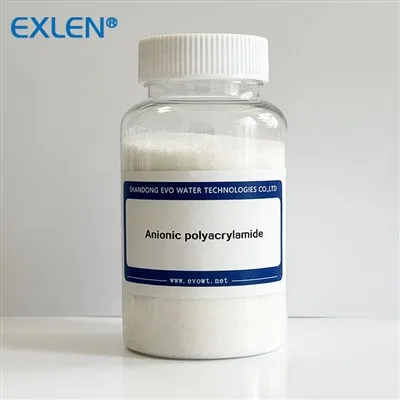
For example, if you're using a Cationic Polyacrylamide CPAM in a solid form, you'll need to ensure proper dissolution to achieve the desired concentration. This process can be time - consuming and may require additional agitation equipment. In contrast, liquid CPAM can be directly added to the wastewater system, streamlining the treatment process.
Storage is another area where liquid chemicals have an edge. Solid chemicals often take up more space due to their packaging requirements and the need to prevent caking or clumping. Liquid chemicals, on the other hand, can be stored in compact containers such as drums or tanks. They are also less prone to degradation caused by environmental factors like humidity, which can affect the quality of solid chemicals over time.
2. Faster Dissolution and Reaction Rates
Liquid chemicals dissolve instantaneously in water, allowing for a rapid and uniform distribution throughout the wastewater. This quick dissolution leads to faster reaction rates, which is crucial in wastewater treatment where time is often of the essence. When treating large volumes of wastewater, the ability to achieve rapid treatment results can significantly improve the overall efficiency of the treatment plant.
Take Decolorising Flocculant as an example. A liquid decolorising flocculant can quickly mix with the wastewater and start the flocculation process, causing the suspended particles and color - causing substances to clump together for easier removal. In comparison, a solid decolorising flocculant would need to dissolve first, delaying the onset of the treatment process.
The faster reaction rates of liquid chemicals also mean that they can be more effective in treating shock loads of contaminants. In cases where there is a sudden increase in the concentration of pollutants in the wastewater, liquid chemicals can respond more rapidly, minimizing the impact on the treatment system and the environment.
3. Precise Dosage Control
Accurate dosage control is essential in wastewater treatment to ensure optimal treatment results while minimizing chemical waste and costs. Liquid chemicals offer better precision in dosage control compared to solid chemicals. With liquid chemicals, it's easier to measure and adjust the amount of chemical added to the wastewater using simple metering devices such as pumps or flow meters.
For instance, when using an Ammonia Nitrogen Remover, precise dosage is crucial to effectively reduce ammonia nitrogen levels without over - dosing, which can lead to increased costs and potential environmental issues. Liquid ammonia nitrogen removers can be accurately dosed based on real - time monitoring of the wastewater quality, ensuring that the treatment process is both efficient and cost - effective.
In contrast, achieving precise dosage with solid chemicals can be more challenging. Measuring solid chemicals often involves weighing, which can be subject to errors due to factors such as uneven particle size and density. Additionally, the dissolution process of solid chemicals can introduce variability in the actual concentration of the chemical in the wastewater, making it more difficult to control the treatment process accurately.
4. Compatibility with Automated Systems
In modern wastewater treatment plants, automation is becoming increasingly important to improve efficiency, reduce human error, and ensure consistent treatment results. Liquid chemicals are highly compatible with automated dosing systems. These systems can be programmed to accurately dispense the required amount of liquid chemical at the right time, based on the specific needs of the wastewater treatment process.
Automated dosing systems for liquid chemicals can be integrated with online monitoring devices that continuously measure parameters such as pH, turbidity, and pollutant concentrations. This allows for real - time adjustment of the chemical dosage, ensuring that the treatment process remains optimized even as the characteristics of the wastewater change.
Solid chemicals, on the other hand, are more difficult to integrate into automated systems. The need for pre - dissolution and the potential for clogging in the dosing equipment make it less practical to use solid chemicals in fully automated treatment processes.
5. Reduced Risk of Dust and Inhalation Hazards
Working with solid chemicals can pose health risks due to the generation of dust during handling and mixing. Inhalation of dust particles from solid wastewater treatment chemicals can cause respiratory problems and other health issues for workers. Liquid chemicals eliminate this risk as they do not produce dust during normal handling and dosing operations.
This is particularly important in enclosed spaces or areas with poor ventilation, where the concentration of dust particles can quickly reach hazardous levels. By using liquid chemicals, wastewater treatment facilities can provide a safer working environment for their employees, reducing the risk of occupational health problems and associated costs.
6. Lower Transportation Costs
Transporting liquid chemicals can be more cost - effective than transporting solid chemicals. Liquid chemicals can be transported in bulk using tanker trucks or pipelines, which can carry large volumes of chemicals at once. This reduces the number of trips required for transportation, lowering fuel consumption and transportation costs.
In addition, the packaging requirements for liquid chemicals are often less expensive than those for solid chemicals. Solid chemicals typically need to be packaged in bags or containers that can withstand handling and storage, which can add to the overall cost of the product. Liquid chemicals can be stored and transported in simple, reusable containers, further reducing costs.
Conclusion
In conclusion, the advantages of using liquid wastewater treatment chemicals over solid ones are numerous and significant. From ease of handling and storage to faster reaction rates, precise dosage control, compatibility with automated systems, reduced health risks, and lower transportation costs, liquid chemicals offer a more efficient and cost - effective solution for wastewater treatment.
As a wastewater treatment chemicals supplier, I understand the importance of providing high - quality products that meet the specific needs of our customers. Our range of liquid wastewater treatment chemicals, including Cationic Polyacrylamide CPAM, Decolorising Flocculant, and Ammonia Nitrogen Remover, are designed to deliver superior performance and reliability.
If you're interested in exploring the benefits of liquid wastewater treatment chemicals for your specific application, I encourage you to reach out to us for a consultation. Our team of experts can help you select the right chemicals and develop a customized treatment solution that meets your needs and budget. Let's work together to achieve efficient and sustainable wastewater treatment.
References
- Metcalf & Eddy. (2014). Wastewater Engineering: Treatment and Resource Recovery. McGraw - Hill Education.
- WEF (Water Environment Federation). (2019). Manual of Practice No. 8: Wastewater Treatment Plant Design.
- Tchobanoglous, G., Burton, F. L., & Stensel, H. D. (2003). Wastewater Engineering: Treatment, Disposal, and Reuse. Pearson Education.