Hey there! As a supplier of nonfoaming soaping agents, I often get asked whether these products are safe for the skin. It's a valid concern, considering that our skin is the largest organ of our body and serves as a protective barrier against the environment. In this blog post, I'll dive into the science behind nonfoaming soaping agents and explain why they're generally safe for the skin.
First off, let's understand what a nonfoaming soaping agent is. These agents are designed to clean and remove impurities from fabrics during the textile dyeing and finishing process. Unlike traditional foaming soaps, nonfoaming soaping agents don't produce a lot of bubbles. This might seem like a drawback at first, but it actually has some advantages. For one, nonfoaming agents are more efficient in terms of water usage. Since they don't require a lot of water to rinse off, they help conserve this precious resource.
Now, let's talk about skin safety. The key to determining whether a nonfoaming soaping agent is safe for the skin lies in its ingredients. Most high - quality nonfoaming soaping agents are formulated with mild and biodegradable chemicals. These chemicals are carefully selected to minimize any potential irritation to the skin.
One of the main concerns when it comes to skin safety is the presence of harsh surfactants. Surfactants are the substances that help to reduce the surface tension of water, allowing it to mix with oils and dirt. Traditional soaps often contain strong surfactants that can strip the skin of its natural oils, leading to dryness, itching, and irritation. However, nonfoaming soaping agents usually use milder surfactants that are less likely to cause these problems.
Another important factor is the pH level of the product. Our skin has a slightly acidic pH, typically ranging from 5.5 to 7.0. A nonfoaming soaping agent with a pH close to this range is less likely to disrupt the skin's natural barrier function. Many nonfoaming soaping agents are formulated to have a neutral or slightly acidic pH, which helps to maintain the skin's health.
Moreover, nonfoaming soaping agents are often tested for skin safety. Reputable manufacturers conduct various tests, such as patch tests on human volunteers, to ensure that their products meet strict safety standards. These tests help to identify any potential allergens or irritants in the product.
In addition to skin safety, nonfoaming soaping agents also have other benefits. They are often more environmentally friendly compared to traditional soaps. As I mentioned earlier, they use less water during the rinsing process, which reduces water pollution. Also, since they are biodegradable, they break down more easily in the environment.
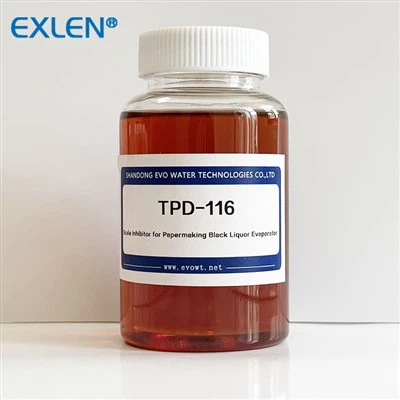
When you're in the textile industry, you might also be interested in related products. For example, if you're dealing with papermaking black liquor evaporators, you might need a Scale Inhibitor for Papermaking Black Liquor Evaporator. This product helps to prevent the formation of scale in the evaporators, ensuring smooth operation.


Another useful product is Chelating Powder. Chelating powders are used to remove metal ions from the textile processing water. These metal ions can cause problems such as uneven dyeing and reduced fabric quality. By using a chelating powder, you can improve the overall quality of your textile products.
And then there's the Chelating Dispersant (Acidic/Neutral). This product helps to disperse and chelate metal ions in the textile dyeing process. It can enhance the solubility of dyes and improve the color fastness of the fabrics.
So, to sum it up, nonfoaming soaping agents are generally safe for the skin when they are properly formulated. Their mild ingredients, appropriate pH levels, and strict safety testing make them a good choice for those who are concerned about skin health.
If you're in the market for a nonfoaming soaping agent or any of the related products I mentioned above, I encourage you to reach out for a purchase negotiation. We have a wide range of high - quality nonfoaming soaping agents and other textile chemicals that can meet your specific needs. Whether you're a small textile workshop or a large - scale manufacturing plant, we're here to provide you with the best products and services.
References:
- Textile Chemicals Handbook: A guide to the selection and use of chemicals in the textile industry
- Journal of Cosmetic Science: Studies on skin safety of mild surfactants
- Environmental Science and Technology: Research on biodegradable chemicals in textile processing