Hey there! I'm a supplier of Phosphorus Removal Agents, and today I wanna chat about how the concentration of phosphorus in water affects the use of our phosphorus removal agent.
First off, let's understand why phosphorus concentration matters. Phosphorus is a common pollutant in water, and high levels can lead to a bunch of problems like eutrophication. That's when there's an over - growth of algae in water bodies, which can deplete oxygen and harm aquatic life. So, keeping phosphorus levels in check is super important for water quality.
When it comes to using a Phosphorus Removal Agent, the concentration of phosphorus in the water is a key factor. At low phosphorus concentrations, say less than 1 mg/L, the water might seem relatively clean. But even these small amounts can accumulate over time and cause issues. In such cases, we don't need to go all - out with a large dose of the phosphorus removal agent. A lower dosage can usually do the trick. Our Phosphorus Removal Agent works by binding with the phosphorus molecules in the water. At low concentrations, there are fewer phosphorus molecules, so a smaller amount of the agent can effectively capture and remove them. This not only saves on the cost of the agent but also reduces the amount of sludge that's produced as a by - product.
However, things get a bit more complicated when the phosphorus concentration is high, like above 10 mg/L. High - concentration phosphorus water often comes from industrial wastewater, agricultural runoff, or sewage treatment plants. In these situations, we need to use a higher dosage of the phosphorus removal agent. The agent has to work harder to bind with all the phosphorus molecules. It's like having a big party with lots of guests and not enough chairs. We need to bring in more chairs (in this case, more of the agent) to make sure everyone (phosphorus molecules) has a seat.
But using a higher dosage isn't always a walk in the park. There are some challenges. For one, it can increase the cost of treatment. More agent means more money spent. Also, a higher dosage can lead to an increase in sludge production. Sludge is the solid waste that's left behind after the phosphorus removal process. Handling and disposing of this sludge can be a hassle and add to the overall treatment cost.
Now, let's talk about the type of phosphorus in the water. Phosphorus can exist in different forms, like orthophosphate, polyphosphate, and organic phosphate. Each form has a different reactivity with the phosphorus removal agent. Orthophosphate is the most common and easiest to remove. It reacts quickly with the agent and forms insoluble compounds that can be easily separated from the water. Polyphosphate and organic phosphate, on the other hand, are a bit more stubborn. They might require additional treatment steps or a different type of phosphorus removal agent.
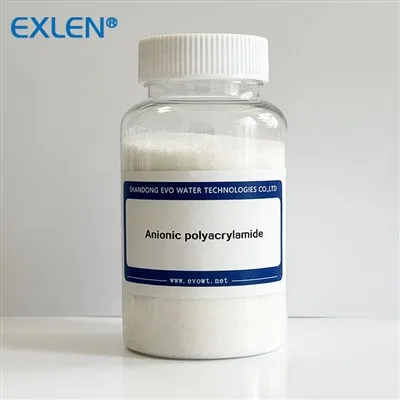
In some cases, we might need to combine our Phosphorus Removal Agent with other chemicals. For example, Anionic Polyacrylamide APAM can be used in conjunction with the phosphorus removal agent. APAM helps in flocculation, which means it makes the phosphorus - agent complexes clump together. This makes it easier to separate them from the water. It's like gathering a bunch of small items into a big pile so that you can pick them up more easily.
Another aspect to consider is the pH of the water. The effectiveness of the phosphorus removal agent can be affected by the pH level. Most of our agents work best in a slightly acidic to neutral pH range, around 6 - 8. If the water is too acidic or too alkaline, the agent might not work as well. We might need to adjust the pH of the water before adding the agent. This can be done using acids or alkalis, but it adds another step to the treatment process.
Let's take a look at some real - world scenarios. In a small - scale wastewater treatment plant that receives mostly domestic sewage, the phosphorus concentration is usually relatively low. A small amount of our Phosphorus Removal Agent can be added directly to the treatment tank, and it can effectively reduce the phosphorus levels to an acceptable standard. On the other hand, an industrial plant that produces a large amount of phosphorus - rich wastewater will need a more comprehensive treatment plan. This might involve pre - treatment to adjust the pH, followed by a high - dosage application of the phosphorus removal agent, and then the use of Anionic Polyacrylamide APAM for better separation.
Sometimes, there are also other contaminants in the water that can interfere with the phosphorus removal process. For example, heavy metals or high levels of ammonia nitrogen can affect the reactivity of the agent. If there are high levels of ammonia nitrogen in the water, we might need to use an Ammonia Nitrogen Remover first to get rid of the ammonia nitrogen before adding the phosphorus removal agent.
In conclusion, the concentration of phosphorus in water has a huge impact on the use of our Phosphorus Removal Agent. Whether it's low - concentration or high - concentration water, we need to carefully consider the dosage, the type of phosphorus, the pH level, and other contaminants. Our team of experts is always ready to help you come up with the best treatment plan for your specific situation.


If you're facing phosphorus removal challenges in your wastewater treatment process, don't hesitate to reach out. We're here to provide you with the right Phosphorus Removal Agent and professional advice. Let's work together to make your water cleaner and more sustainable.
References:
- Standard textbooks on wastewater treatment and water quality management
- Research papers on phosphorus removal technologies and the impact of phosphorus concentration on treatment processes