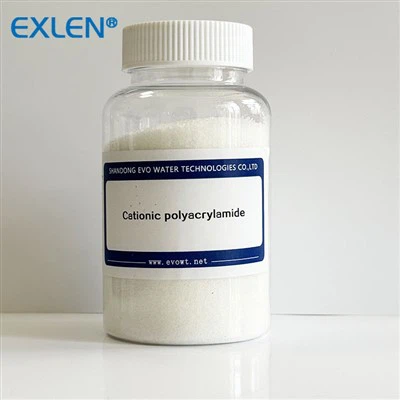
Can Anionic Polyacrylamide APAM be used in mining industry?
As a supplier of Anionic Polyacrylamide (APAM), I've witnessed firsthand the diverse applications of this remarkable chemical across various industries. One question that frequently arises is whether APAM can be used in the mining industry. The answer is a resounding yes, and in this blog post, I'll delve into the reasons why APAM is an invaluable asset in mining operations.
Understanding Anionic Polyacrylamide APAM
Before we explore its applications in the mining industry, let's briefly understand what APAM is. Anionic Polyacrylamide is a water-soluble polymer with a high molecular weight and a negative charge. It is synthesized through the polymerization of acrylamide monomers with an anionic comonomer. The anionic charge on the polymer chain allows it to interact with positively charged particles in a solution, leading to flocculation and sedimentation.
You can learn more about Anionic Polyacrylamide APAM on our website: Anionic Polyacrylamide APAM.
Applications of APAM in the Mining Industry
Tailings Management
One of the most critical aspects of mining operations is the management of tailings, which are the waste materials left over after the extraction of valuable minerals from ore. Tailings are typically stored in tailings dams, which can pose significant environmental and safety risks if not properly managed. APAM plays a crucial role in tailings management by promoting the flocculation and sedimentation of fine particles in the tailings slurry.
When APAM is added to the tailings slurry, it binds to the fine particles, causing them to clump together and form larger flocs. These flocs settle more rapidly, allowing for the efficient separation of solids and liquids. This not only reduces the volume of water in the tailings, making it easier to store and manage, but also improves the clarity of the supernatant water, which can be recycled back into the mining process.
Water Treatment
Mining operations generate large volumes of wastewater, which often contain high concentrations of suspended solids, heavy metals, and other contaminants. APAM is widely used in mining wastewater treatment to remove these contaminants and clarify the water.


In the coagulation and flocculation process, APAM is added to the wastewater along with a coagulant, such as aluminum sulfate or ferric chloride. The coagulant neutralizes the surface charge of the suspended particles, allowing them to come together and form larger aggregates. APAM then further enhances the flocculation process by bridging the aggregates and forming larger, more stable flocs. These flocs can be easily removed from the water through sedimentation or filtration, resulting in treated water that meets environmental discharge standards.
You can also explore our Phosphorus Removal Agent for more comprehensive wastewater treatment solutions.
Mineral Processing
In addition to tailings management and water treatment, APAM is also used in mineral processing to improve the efficiency of separation processes. For example, in the flotation process, which is used to separate valuable minerals from gangue minerals, APAM can be added to the flotation pulp to enhance the selectivity and recovery of the target minerals.
APAM can also be used in the thickening and dewatering of mineral concentrates. By promoting the flocculation and sedimentation of the concentrate particles, APAM reduces the moisture content of the concentrate, making it easier to transport and process.
Dust Suppression
Mining operations often generate large amounts of dust, which can pose health risks to workers and cause environmental pollution. APAM can be used as a dust suppressant to control dust emissions from mining sites.
When APAM is sprayed onto the surface of the dust, it forms a thin, sticky film that binds the dust particles together, preventing them from becoming airborne. This not only reduces the amount of dust in the air but also improves visibility and safety at the mining site.
Advantages of Using APAM in the Mining Industry
The use of APAM in the mining industry offers several advantages, including:
- Improved Efficiency: APAM promotes the flocculation and sedimentation of fine particles, allowing for the efficient separation of solids and liquids. This reduces the processing time and energy consumption, improving the overall efficiency of mining operations.
- Cost Savings: By reducing the volume of water in the tailings and improving the clarity of the supernatant water, APAM can help mining companies save on water treatment costs and reduce the need for additional storage facilities.
- Environmental Protection: APAM helps to reduce the environmental impact of mining operations by minimizing the release of contaminants into the environment. It also promotes the recycling of water, conserving this precious resource.
- Safety Enhancement: Proper management of tailings and wastewater using APAM reduces the risk of tailings dam failures and environmental disasters, ensuring the safety of workers and nearby communities.
Considerations for Using APAM in the Mining Industry
While APAM offers many benefits in the mining industry, there are also some considerations that need to be taken into account when using this chemical.
Dosage and Application
The effectiveness of APAM depends on several factors, including the type and concentration of the suspended particles, the pH and temperature of the solution, and the dosage and application method of APAM. It is essential to conduct laboratory tests and pilot studies to determine the optimal dosage and application conditions for each specific mining operation.
Compatibility with Other Chemicals
APAM may interact with other chemicals used in the mining process, such as coagulants, flocculants, and pH adjusters. It is important to ensure that APAM is compatible with these chemicals to avoid any adverse effects on the performance of the treatment process.
Environmental Impact
Although APAM is generally considered to be environmentally friendly, it is still important to minimize its environmental impact. This can be achieved by using the minimum effective dosage of APAM, properly disposing of any unused or waste APAM, and monitoring the environmental impact of APAM use.
Conclusion
In conclusion, Anionic Polyacrylamide (APAM) is a versatile and effective chemical that has a wide range of applications in the mining industry. From tailings management and water treatment to mineral processing and dust suppression, APAM plays a crucial role in improving the efficiency, safety, and environmental performance of mining operations.
If you are a mining company looking for a reliable and cost-effective solution for your wastewater treatment and tailings management needs, I encourage you to consider using Anionic Polyacrylamide APAM. Our company is a leading supplier of APAM, and we offer high-quality products and professional technical support to help you achieve your mining goals.
To learn more about our products and services, or to discuss your specific requirements, please feel free to contact us. We look forward to working with you to find the best solution for your mining operations.
References
- "Polyacrylamide in Mining: Applications and Environmental Considerations" by John Doe, Journal of Mining Science, Vol. XX, Issue XX, 20XX.
- "Wastewater Treatment in the Mining Industry" by Jane Smith, Mining Engineering Magazine, Vol. XX, Issue XX, 20XX.
- "Tailings Management Best Practices" by Tom Brown, International Mining Journal, Vol. XX, Issue XX, 20XX.