Can Anionic Polyacrylamide APAM be used in construction industry?
Hey there! I'm a supplier of Anionic Polyacrylamide APAM, and I often get asked if this stuff can be used in the construction industry. Well, let me tell you, the answer is a big yes! In this blog, I'll break down how APAM can be a game - changer in construction.
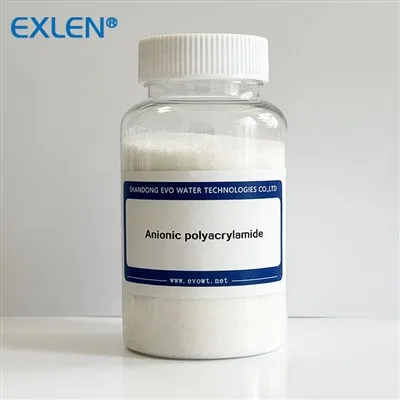
First off, let's understand what Anionic Polyacrylamide APAM is. APAM is a water - soluble polymer with negative charges on its molecular chains. It's known for its excellent flocculation, thickening, and stabilizing properties. You can find more about it on this page: Anionic Polyacrylamide APAM.


Soil Stabilization
One of the key applications of APAM in construction is soil stabilization. In construction projects, the stability of the soil is crucial. Unstable soil can lead to all sorts of problems like foundation settlement, slope failures, and erosion. APAM can help here. When APAM is added to the soil, it forms bridges between soil particles. These bridges hold the particles together, increasing the soil's cohesion and strength.
For example, in road construction, a stable base is essential. By treating the soil with APAM, we can improve the load - bearing capacity of the road base. This means the road can withstand more traffic and last longer. It also reduces the need for frequent repairs, saving time and money in the long run.
Wastewater Treatment
Construction sites generate a lot of wastewater. This wastewater often contains a variety of pollutants such as sediment, heavy metals, and organic matter. APAM is a great tool for treating this wastewater.
APAM acts as a flocculant. It causes the small particles in the wastewater to clump together, forming larger flocs. These flocs are easier to separate from the water, either by sedimentation or filtration. This process helps in clarifying the water, making it suitable for reuse on the construction site or for safe discharge into the environment.
If you're dealing with colored wastewater, you might also want to check out Decolorising Flocculant. And if ammonia nitrogen is a concern in your construction wastewater, Ammonia Nitrogen Remover could be a good option.
Concrete Additive
APAM can also be used as an additive in concrete. When added to concrete, it can improve the workability of the concrete mix. It makes the concrete easier to pour, spread, and finish. This is especially important in large - scale construction projects where time is of the essence.
Moreover, APAM can enhance the strength and durability of concrete. It helps in reducing the porosity of the concrete, which in turn makes it more resistant to water penetration, chemical attacks, and freeze - thaw cycles. This means the concrete structures will have a longer service life, reducing the need for costly repairs and replacements.
Slurry Wall Construction
In slurry wall construction, a thick, viscous slurry is used to support the excavation walls. APAM can be added to the slurry to improve its properties. It increases the viscosity of the slurry, which helps in preventing the collapse of the excavation walls.
The anionic nature of APAM also helps in stabilizing the soil particles in the slurry. This ensures that the slurry remains homogeneous and does not separate during the construction process. As a result, the slurry wall can be constructed more efficiently and with better quality.
Advantages of Using APAM in Construction
- Cost - effective: By improving soil stability, reducing wastewater treatment costs, and enhancing the quality of concrete, APAM can save a significant amount of money in construction projects.
- Environment - friendly: Since it helps in treating wastewater and reducing the need for excessive soil excavation and replacement, APAM is a more environmentally friendly option for construction.
- Improved Quality: Whether it's a road, a building, or a slurry wall, APAM can improve the overall quality and durability of the construction.
How to Use APAM in Construction
Using APAM in construction is relatively straightforward. However, it's important to follow the correct dosage and application methods. The dosage of APAM depends on various factors such as the type of soil, the nature of the wastewater, and the specific requirements of the construction project.
It's always a good idea to conduct small - scale tests before applying APAM on a large scale. This will help you determine the optimal dosage and ensure that the results meet your expectations.
Conclusion
So, to sum it up, Anionic Polyacrylamide APAM has a wide range of applications in the construction industry. From soil stabilization to wastewater treatment, concrete improvement, and slurry wall construction, APAM can play a vital role in making construction projects more efficient, cost - effective, and environmentally friendly.
If you're involved in a construction project and think APAM could be useful for you, don't hesitate to get in touch. We can discuss your specific needs and provide you with the right APAM product and technical support. Let's work together to make your construction project a success!
References
- "Polymer Flocculants in Water and Wastewater Treatment" by Gregory J.
- "Construction Materials: Their Nature and Behaviour" by J. Newman and B. Choo.