Constructed wetlands have emerged as a sustainable and cost - effective solution for wastewater treatment. They mimic natural wetland ecosystems to remove pollutants from water, including suspended solids, organic matter, nitrogen, and phosphorus. As a supplier of phosphorus removal agents, I often receive inquiries about the compatibility and effectiveness of using these agents in constructed wetlands. In this blog, I will explore the feasibility, benefits, and potential challenges of using phosphorus removal agents in constructed wetlands.


Understanding Constructed Wetlands
Constructed wetlands are engineered systems that use natural processes involving wetland vegetation, soils, and associated microbial populations to treat wastewater. There are two main types: surface - flow constructed wetlands (SFCWs) and subsurface - flow constructed wetlands (SSFCWs). In SFCWs, water flows over the surface of the wetland, while in SSFCWs, water flows through a porous medium such as gravel or sand.
Phosphorus removal in constructed wetlands occurs through several mechanisms. These include sedimentation, where phosphorus - laden particles settle to the bottom; adsorption onto soil or media particles; plant uptake, where wetland plants absorb phosphorus for growth; and microbial transformation. However, the efficiency of these natural processes can vary depending on factors such as wetland design, hydraulic loading rate, temperature, and the characteristics of the influent wastewater.
The Role of Phosphorus Removal Agents
Phosphorus removal agents are chemicals designed to bind with dissolved or particulate phosphorus in water, forming insoluble precipitates that can be easily removed through sedimentation or filtration. These agents can be based on various chemical compounds, such as metal salts (e.g., aluminum, iron, and calcium salts), polymers, or a combination of both.
Benefits of Using Phosphorus Removal Agents in Constructed Wetlands
Enhanced Phosphorus Removal Efficiency
One of the primary advantages of using phosphorus removal agents is the potential to significantly improve the overall phosphorus removal efficiency of constructed wetlands. In cases where the influent phosphorus concentration is high or the natural removal mechanisms are insufficient, adding a phosphorus removal agent can help meet strict effluent quality standards. For example, in industrial wastewater treatment, where phosphorus levels can be several times higher than in domestic wastewater, the use of a phosphorus removal agent can be crucial for achieving regulatory compliance.
Flexibility in Operation
Phosphorus removal agents provide flexibility in wetland operation. They can be dosed according to the real - time phosphorus concentration in the influent, allowing for better control of the treatment process. This is particularly useful during periods of high phosphorus loading, such as after heavy rainfall or industrial discharges.
Reduced Footprint
By enhancing phosphorus removal efficiency, the use of phosphorus removal agents may allow for the design of smaller constructed wetlands. This can be beneficial in areas where land is limited or expensive, as it reduces the overall cost of wetland construction and maintenance.
Challenges and Considerations
Chemical Compatibility
One of the main challenges is ensuring the chemical compatibility of the phosphorus removal agent with the wetland ecosystem. Some agents may have adverse effects on wetland plants, microorganisms, or the overall water quality. For example, high doses of metal - based agents can lead to the accumulation of metals in the wetland soil, which may be toxic to plants and aquatic organisms. Therefore, it is essential to select a phosphorus removal agent that is environmentally friendly and has minimal impact on the wetland ecosystem.
Cost
The cost of phosphorus removal agents can be a significant factor. While they can improve treatment efficiency, the ongoing cost of purchasing and dosing the agents needs to be weighed against the benefits. In some cases, the cost - effectiveness of using a phosphorus removal agent may depend on the scale of the wetland and the cost of alternative treatment methods.
Regulatory Compliance
Using chemical agents in constructed wetlands may be subject to regulatory requirements. It is important to ensure that the use of the phosphorus removal agent complies with local environmental regulations, including limits on chemical residues in the effluent and the disposal of any chemical - related by - products.
Case Studies
Several case studies have demonstrated the successful use of phosphorus removal agents in constructed wetlands. For instance, in a study of a constructed wetland treating agricultural runoff, the addition of an iron - based phosphorus removal agent significantly increased the phosphorus removal efficiency from 50% to over 80%. The agent was dosed at a relatively low concentration, and no adverse effects on the wetland plants or water quality were observed.
In another case, a constructed wetland for treating municipal wastewater was facing challenges in meeting the strict phosphorus discharge limits. By adding a polymer - based phosphorus removal agent, the wetland was able to achieve consistent phosphorus removal, reducing the effluent phosphorus concentration to below the regulatory limit.
Other Related Wastewater Treatment Chemicals
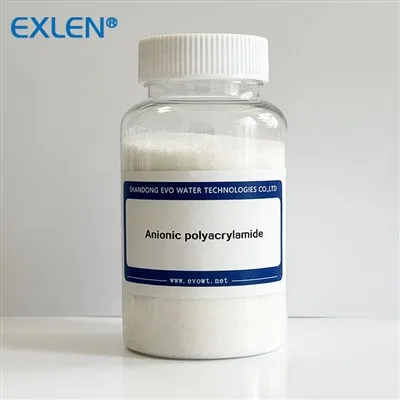
In addition to phosphorus removal agents, our company also offers a range of other wastewater treatment chemicals. For example, Decolorising Flocculant can be used to remove color and turbidity from wastewater, which is particularly useful in industries such as textile and dyeing. Ammonia Nitrogen Remover is designed to reduce ammonia nitrogen levels in wastewater, which is a common pollutant in domestic and industrial wastewater. Anionic Polyacrylamide APAM is a widely used flocculant that can improve the sedimentation and filtration processes in wastewater treatment.
Conclusion
In conclusion, the use of phosphorus removal agents in constructed wetlands can be a viable option for enhancing phosphorus removal efficiency. However, it is important to carefully consider the potential challenges and ensure that the agent is compatible with the wetland ecosystem and regulatory requirements. With proper selection and dosing, phosphorus removal agents can provide a cost - effective and flexible solution for treating phosphorus - rich wastewater in constructed wetlands.
If you are interested in learning more about our phosphorus removal agents or other wastewater treatment chemicals, or if you have specific requirements for your constructed wetland project, please feel free to contact us for a detailed consultation and procurement discussion. We are committed to providing high - quality products and professional technical support to meet your wastewater treatment needs.
References
- Vymazal, J. (2011). Phosphorus removal in constructed wetlands. Science of the Total Environment, 409(22), 4736 - 4759.
- Kadlec, R. H., & Wallace, S. D. (2009). Treatment wetlands (2nd ed.). CRC Press.
- USEPA. (2000). Constructed wetlands treatment technology fact sheet. United States Environmental Protection Agency.