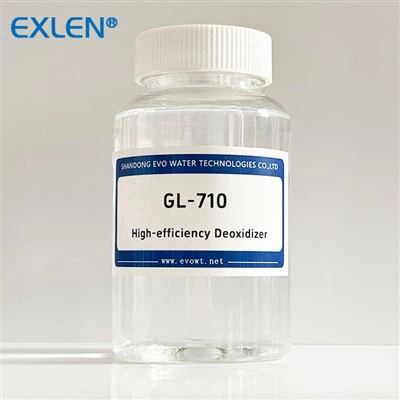
Hey there! As a supplier of High - Efficiency Deoxidizer, I've been getting a lot of questions lately about whether our product can be used in furniture preservation. Well, let's dive right into it and find out if this high - tech deoxidizer has a place in keeping your furniture in top - notch condition.
First off, let's talk about what a High - Efficiency Deoxidizer actually does. In simple terms, it's a chemical agent that's really good at removing oxygen from an environment. Oxygen can be a real troublemaker when it comes to many materials. It can cause oxidation, which often leads to rust, discoloration, and degradation of various substances.
When it comes to furniture, there are a few key factors that can affect its longevity and appearance. Moisture, pests, and, you guessed it, oxygen. Oxygen can react with the wood, fabric, or other materials in furniture over time. For wooden furniture, oxidation can cause the wood to darken, lose its natural luster, and even become brittle. In the case of upholstered furniture, oxygen can contribute to the breakdown of the fabric fibers, making them weaker and more prone to tearing.
So, theoretically, using a high - efficiency deoxidizer could potentially slow down these processes. By reducing the oxygen levels around the furniture, we can minimize the oxidation reactions. But here's the thing: furniture is not like a boiler or an industrial environment where our deoxidizer is typically used.
In industrial settings, like boilers, the High - Efficiency Deoxidizer is used to prevent corrosion in the water - filled systems. For example, in a boiler, oxygen in the water can cause rusting of the metal parts, which can lead to leaks, reduced efficiency, and even safety hazards. That's where our deoxidizer shines. It quickly reacts with the dissolved oxygen in the water, neutralizing it and protecting the boiler components.
But furniture is a different ballgame. Furniture is usually in an open - air environment, which means it's constantly exposed to fresh air. It's not a closed system like a boiler. So, it would be quite challenging to maintain a low - oxygen environment around the furniture using a deoxidizer.
However, there are some scenarios where it might be possible. If you have a valuable antique piece of furniture that you want to preserve in a sealed display case or storage unit, a high - efficiency deoxidizer could be a great addition. You could place the deoxidizer inside the sealed space, and it would gradually reduce the oxygen levels. This could be especially useful for wooden antiques that are prone to oxidation and damage over time.
Another consideration is the type of furniture. For example, if you have a piece of furniture made from a very reactive wood species, like oak or mahogany, which are more susceptible to oxidation, using a deoxidizer in a controlled environment could potentially extend its lifespan.
Now, let's compare our high - efficiency deoxidizer with some of our other products. We also offer a Descaling Agent for Boiler (Acidic Liquid). This product is used to remove scale buildup in boilers. Scale is a hard, crusty deposit that forms on the inner surfaces of boilers due to the precipitation of minerals in the water. It can reduce the heat transfer efficiency of the boiler and cause damage if not removed.
Then there's our Boiler Anti - dust Synergist. This product helps to prevent the formation of dust and soot in boilers. Dust and soot can accumulate on the heating surfaces, reducing the efficiency of the boiler and increasing the risk of fires.
While these products are great for boiler maintenance, they have no direct application in furniture preservation. But our high - efficiency deoxidizer, as we've discussed, has some potential in this area, although it's not a one - size - fits - all solution.
If you're thinking about using a high - efficiency deoxidizer for furniture preservation, there are a few things you need to keep in mind. First, make sure you choose the right type of deoxidizer. Our product is designed to be highly effective in removing oxygen, but you need to ensure that it's safe to use around furniture materials. You don't want a deoxidizer that could cause any chemical reactions with the wood, fabric, or other components of the furniture.
Second, consider the cost. Using a deoxidizer in a large - scale furniture preservation project could be expensive. You need to weigh the cost against the value of the furniture. If it's a very valuable antique, the cost might be worth it, but for a regular piece of furniture, it might not be cost - effective.
In conclusion, while a high - efficiency deoxidizer has some potential in furniture preservation, especially in controlled environments, it's not a straightforward solution. It's a bit of a niche application, but it could be a game - changer for those looking to preserve their valuable furniture pieces.
If you're interested in learning more about our high - efficiency deoxidizer or discussing its potential use in furniture preservation, I'd love to hear from you. Whether you're an antique collector, a furniture restorer, or just someone who wants to keep their furniture in great condition, we can have a chat and see if our product is the right fit for you. Let's start a conversation and explore the possibilities together.
References


- General knowledge of chemical reactions and material preservation
- Product specifications of High - Efficiency Deoxidizer, Descaling Agent for Boiler (Acidic Liquid), and Boiler Anti - dust Synergist